ChatGPT Pricing: Free, Plus, Pro, Business & API Costs
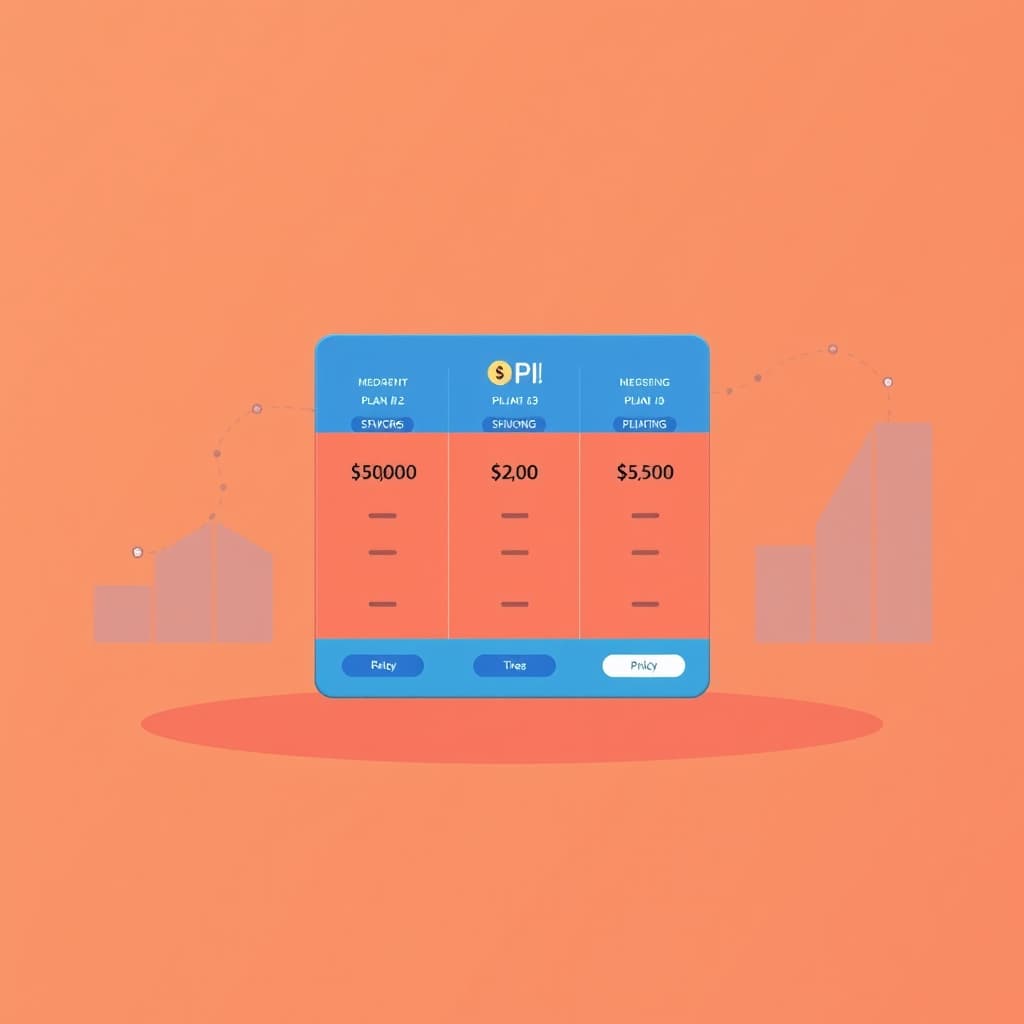
ChatGPT pricing can look confusing at first because you’re choosing between subscription tiers (Free, Go, Plus, Pro, Business, Enterprise) and separate token-based API pricing. This guide breaks down what you pay, what you get, and how to pick the cheapest plan that still fits your real usage.
If you’ve ever wondered “Should I pay $20 or $200?”—you’re in the right place.
ChatGPT pricing at a glance (what you’ll pay)
Below is the practical ladder from no-cost access to higher limits and work/team features.
Individual plans
- Free: $0/month
- Basic access with usage limits (and caps during busy periods).
- Go: $8/month
- For lighter, casual use when you don’t need the full Plus feature set.
- Plus: $20/month
- The most common paid tier for individuals.
- Includes stronger access and advanced features compared to Free.
- Pro: $100/month or $200/month
- Two usage tiers (the higher price corresponds to much higher usage/limits).
- Best for heavy users who hit Plus limits quickly.
Team and business plans
- ChatGPT Business: $20 per seat/month (annual billing)
- Or $25 per seat/month if billed monthly.
- Usually requires a minimum of 2 seats.
- ChatGPT Enterprise: custom pricing
- Quoted based on seat count and usage needs.
API pricing (developers)
API usage is billed separately from subscriptions. Instead of paying “per month for a plan,” you pay per token:
- Input tokens and output tokens have different rates.
- Pricing varies by model. Some newer/cheaper models cost significantly less per token than flagship options.
OpenAI’s official pricing page is the source of truth for current model rates: https://learn.chatgpt.com/docs/pricing
What you actually get at each price
“Worth it” depends on how you use ChatGPT. Here’s how the tiers typically differ in practice.
Free ($0): try it, learn the workflow
Free is good if you:
- want to test prompts and see whether ChatGPT fits your workflow
- do occasional writing, brainstorming, or quick questions
- don’t mind tighter usage limits
If your main need is “I’ll use it when I think of something,” Free can be enough.
Go ($8): smoother casual use
Go sits in the middle: you pay something, but you’re not jumping to Plus.
Go is usually a better fit when:
- you use it a few times a day but don’t need everything Plus offers
- you want to reduce the friction of hitting limits
Plus ($20): the everyday default
Plus is priced to be the “keep it running” plan for many people.
It’s commonly chosen by:
- writers and marketers
- students doing research and drafting
- developers using ChatGPT for coding help
- anyone who regularly uses advanced features (not just occasional chat)
If you’re asking “What should I buy?” and you use ChatGPT multiple times per day, Plus is often the safest starting point because it balances cost with capability.
Pro ($100–$200): when limits start to hurt
Pro is for power users who consistently hit Plus caps.
You’ll feel Pro’s value if you:
- run longer sessions, heavier workloads, or many tasks back-to-back
- do advanced coding assistance, iterative content pipelines, or frequent agent-style workflows
- need significantly higher context/usage limits
In other words: Pro isn’t only about “better answers”—it’s about more headroom.
Business (per seat): collaboration + admin controls
Business pricing is per user seat, not per organization flat-rate.
You should look at Business if you need:
- shared workspaces so your team can collaborate
- admin controls and organization-level management
- security and compliance features (including business data handling)
Business also comes with minimum seat requirements, so it’s usually not worth it if you’re solo.
Enterprise: custom contracts for bigger organizations
Enterprise is quoted. That usually means you’re comparing options like:
- exact seat counts
- onboarding needs
- governance and compliance requirements
- expected usage patterns
If you have a dedicated IT/security team, you’ll often get a more tailored setup through Enterprise.
How to choose the right chatgpt pricing tier
Use your actual usage, not your wish list.
Step-by-step decision method
- List your top 3 use cases
- examples: “draft blog posts,” “code help,” “summarize documents,” “customer support responses.”
- Estimate frequency
- once a day, several times per day, or near-constant.
- Check for limit pain
- if you frequently get throttled, you probably won’t stay happy on Free/Go.
- Pick the lowest tier that avoids interruptions
- aim for “you can work without thinking about caps.”
- Re-evaluate after 2–4 weeks
- if you’re still getting blocked by limits, step up.
Quick recommendations by scenario
- You’re experimenting → Free
- You use it occasionally but want better consistency → Go ($8)
- You use it daily for writing/coding/research → Plus ($20)
- You hit Plus limits or do heavy, multi-step workflows → Pro ($100 or $200)
- You manage a small team that needs shared workspaces and controls → Business (per seat)
- You need enterprise governance/security + custom terms → Enterprise
Worked example: picking a plan using real numbers
Let’s do a concrete “what would I pay?” example.
Your situation
You’re a freelance marketer.
- You use ChatGPT for 3–5 tasks per day.
- Each task is a multi-step workflow: draft → rewrite → outline → tone adjustments.
- You don’t run an API, so subscription is your main cost.
Your first test
You start on Free.
- After a week, you notice you can’t always finish long drafts without running into usage limits.
Upgrade decision
You compare tiers:
- Go: $8/month
- Plus: $20/month
Because you’re doing multi-step workflows daily, the goal is fewer interruptions.
Best move: switch to Plus ($20/month).
What if you still hit limits?
If, after 2–4 weeks on Plus, you’re consistently blocked—then upgrading to Pro makes sense.
- Start with the $100 Pro tier if you just need more headroom.
- If your workload is very heavy and you need the higher usage tier, consider $200 Pro.
That’s the core logic of chatgpt pricing: it’s not “best model,” it’s “best ability to finish the work you already do.”
API costs: how billing works (and how to avoid surprises)
If you’re building an app, ChatGPT pricing becomes token economics.
The basics
API billing typically depends on:
- input tokens (what you send)
- output tokens (what the model returns)
- the model’s per-token rates
Models have different prices, and context size can change how many tokens your requests consume.
A simple cost-control checklist
Use these levers to keep API spend predictable:
- Keep prompts short and structured
- Don’t send full articles if you only need a summary section.
- Cap output length
- Ask for “max 200 words” (or similar) when you don’t need long responses.
- Summarize before you expand
- For long documents, summarize in one call, then ask for specific sections.
- Use the right model for the job
- Don’t pay flagship rates if a cheaper model works for your task.
Worked API example (prompt budget mindset)
Imagine you run a support assistant.
- Each request sends:
- system prompt + customer message: ~2,000 input tokens
- Output averages ~600 output tokens
If you make 1,000 requests in a month:
- Total input tokens: 2,000 × 1,000 = 2,000,000 input tokens
- Total output tokens: 600 × 1,000 = 600,000 output tokens
Your monthly cost then depends on the model’s input/output token prices. That’s why the official rates matter: https://learn.chatgpt.com/docs/pricing
If you want, you can paste your approximate request sizes and I’ll help you turn that into an estimate—without guessing.
Common hidden gotchas in chatgpt pricing
Pricing itself is only half the story. These issues can change what you pay (or how fast you burn through limits).
1) Subscription limits vs “I can’t do what I need”
Free/Go/Plus/Pro constraints usually show up when you:
- run long sessions
- do many back-to-back tasks
- rely on heavy feature workflows
If you hit limits, your options are usually:
- upgrade tiers
- shorten prompts/output
- split work into smaller steps
2) Business is per seat
If you have a 3-person team, Business cost scales with headcount. Make sure everyone truly needs their own seat.
If you only need collaboration once in a while, you might be overbuying.
3) API spend can grow fast
API usage can become expensive if:
- you send huge context every time
- output is unconstrained
- you run large batches without token budgeting
Treat API like cloud compute: estimate first, then scale.
4) You might just need to fix a workflow
If you’re paying but feeling blocked, it’s sometimes not the plan—it’s the prompt/process.
For example, if answers are too slow or you’re waiting on responses, it may help to adjust input size and reduce repeated context. Related troubleshooting: https://chatgbt.us/blog/why-is-chatgpt-so-slow-causes-fixes-that-work
How to manage your subscription (and switch plans safely)
If you’re testing tiers, you’ll want to keep control.
- To cancel or change your subscription, use this step-by-step guide: how to cancel chatgpt subscription
- If you’re unsure about ownership/company context, you may find this helpful: who owns chat gpt
Switching plans is easiest when you know your real usage pattern first.
FAQ
What does chatgpt pricing include for Plus and Pro?
Plus and Pro are subscription tiers that include access to advanced ChatGPT features and higher usage limits compared to Free. The exact feature set and limits can vary over time, but the pricing difference is primarily about capacity and availability for heavier workflows.
Is chatgpt pricing for Business per user seat?
Yes—ChatGPT Business is priced per seat. Annual billing typically offers a lower monthly effective rate than monthly billing, and there’s usually a minimum number of seats required.
How is ChatGPT API priced compared to the app plans?
ChatGPT API pricing is token-based, billed separately from subscription tiers. You pay for input and output tokens depending on the model you choose, and rates can differ significantly between models.
Can I use API without paying for Plus or Pro?
Yes. API access is independent. You can use API while staying on Free (or not using the ChatGPT app at all), because API billing works purely on token usage.
Which tier should I choose if I hit limits on Free?
If you hit Free limits often, start with Go ($8) if you’re a light-to-moderate user. If you rely on multi-step work daily, Plus ($20) is usually the better baseline. If Plus still can’t handle your workload, move to Pro ($100 or $200).
Where do I verify the latest chatgpt pricing?
Use the official pricing page for API rates and current details: https://learn.chatgpt.com/docs/pricing. For subscription plan availability and tier behavior, you can also check your account’s billing page in ChatGPT.